

Vision AI / Retail & store operations
Check shelves and displays
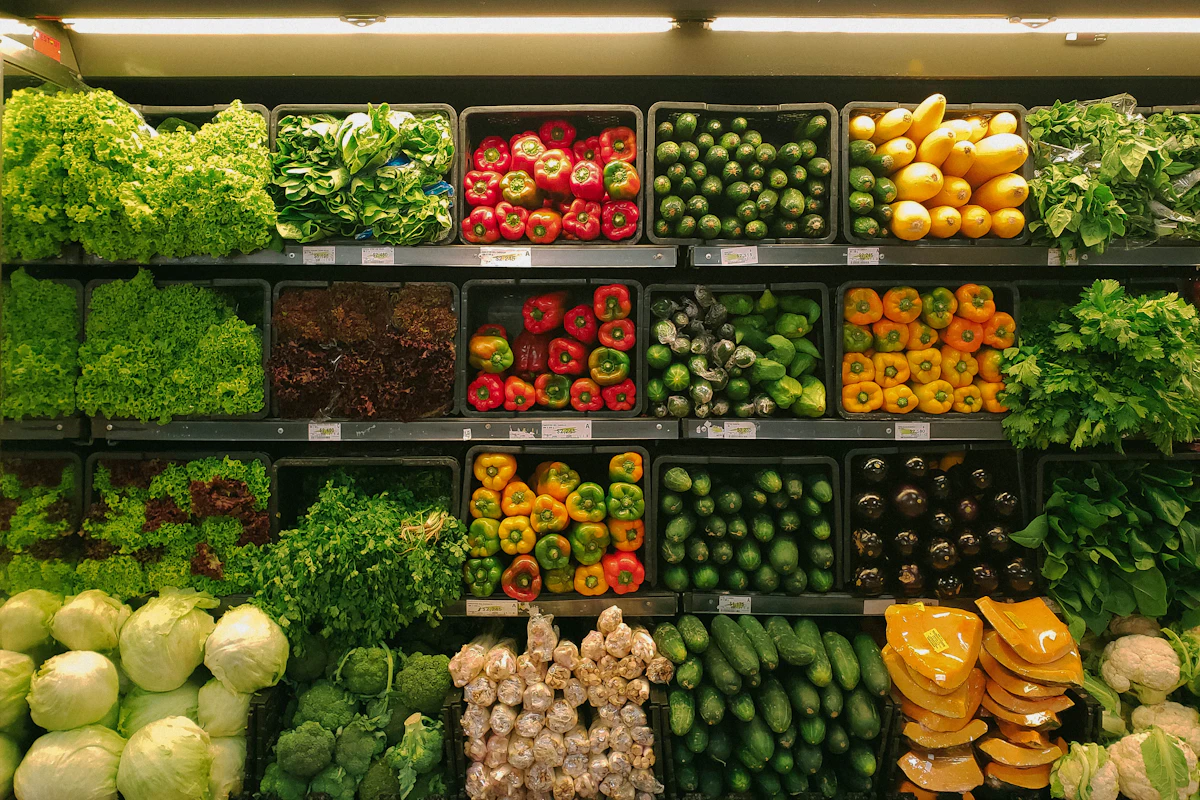
Check visible product counts in a selected shelf area and surface exceptions for store teams.
01 / The context
The business challenge
A display can look stocked from a distance while an important section is nearly empty. Teams need checks tied to a specific shelf area and the products a model can actually recognize.
02 / From input to review
How it works in Qvantus
- 01
Your input
Shelf images or a connected camera, plus a detector that recognizes the products or classes you track.
- 02
The Qvantus workflow
Define a region of interest, select labels, and configure minimum or maximum counts for scheduled checks.
- 03
The result to review
Review count results and alert evidence to decide where a shelf check or replenishment is needed.
03 / A practical scenario
What this looks like in practice
Create an alert when the visible count in a display drops below your chosen threshold.
04 / The value
Why it matters
Turn a shelf image into a focused exception to review. The visible count helps a store team decide where to check next; it can be compared with inventory records rather than treated as a full stock balance.
What to measure in a pilot
Count accuracy in the selected area and the relevance of replenishment alerts.
Agree on the review criteria before the first run. Use representative examples and compare the output with a human-reviewed reference before expanding the workflow.
More Vision AI use cases
All use cases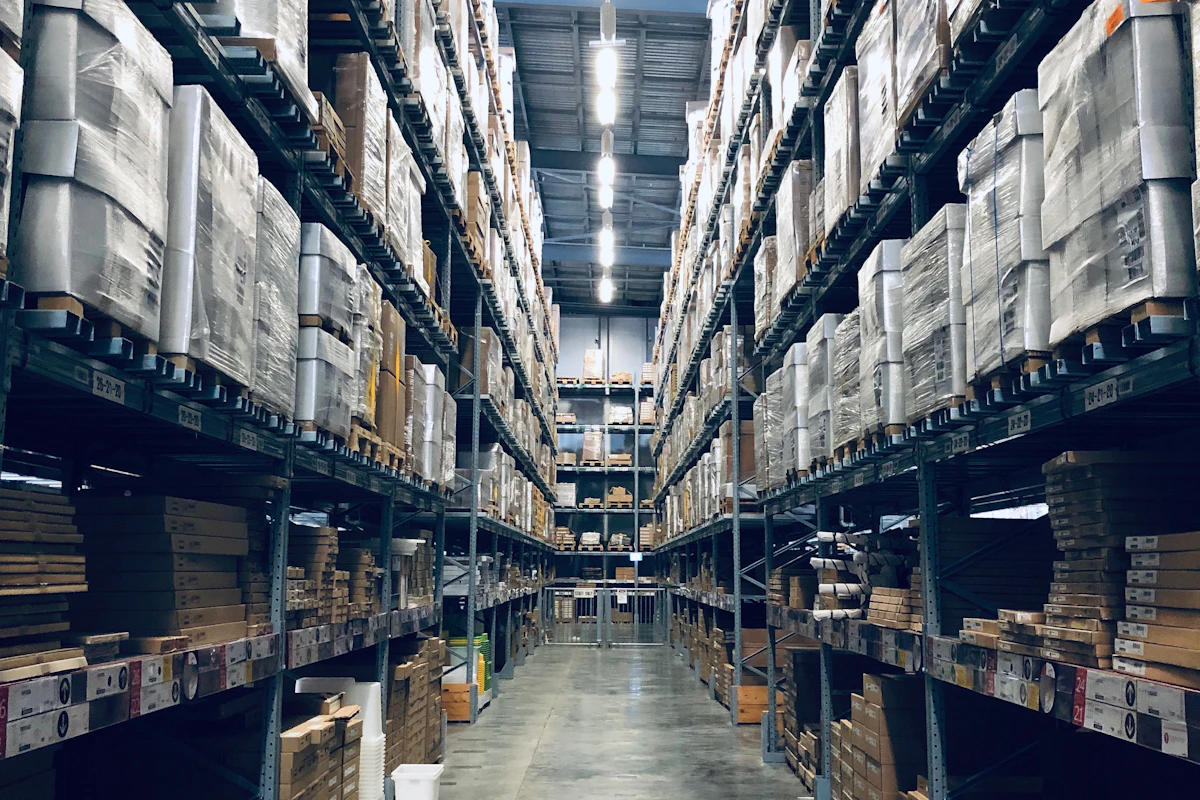
Inspect product quality
Turn product images into a repeatable visual inspection workflow, with detections your team can review.
Explore use caseCount packages and pallets
Use visual counts to check a loading area, staging zone, or packing station against your own rules.
Explore use case
Monitor activity in a zone
Run scheduled checks for selected object classes in a defined camera area.
Explore use case